Clinical Background of ALK-Positive NSCLC
Lung cancer is one of the leading causes of cancer-related death worldwide, accounting for the highest number of cancer deaths. Approximately 85% of lung cancer cases are non-small cell lung cancer (NSCLC), and 3%–5% of NSCLC patients are anaplastic lymphoma kinase (ALK)-positive.
ALK-positive NSCLC is a life-threatening disease affecting about 40,000 people globally each year. In these patients, the ALK gene frequently fuses with other genes, resulting in ALK fusion proteins that drive tumor growth. There remains an unmet medical need for effective new therapies for this patient population.
Limitations of Crizotinib
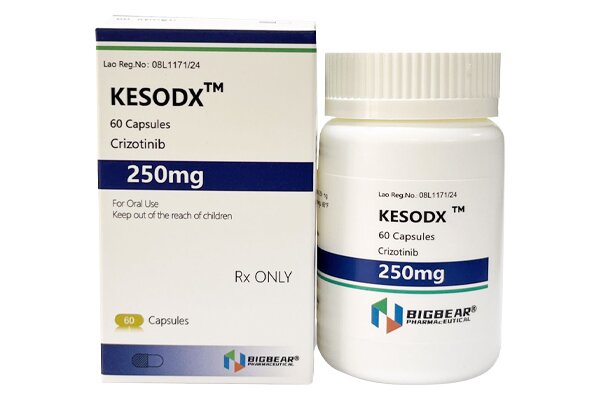
Crizotinib, a first-line ALK-targeted agent, often demonstrates favorable initial efficacy in ALK-positive NSCLC. However, most patients develop resistance and disease progression within one year, with central nervous system (CNS) recurrence being common.
Overview of Alunbrig (brigatinib)
Alunbrig (brigatinib) was developed by ARIAD Pharmaceuticals, a subsidiary of Takeda Pharmaceutical Company Limited.It is indicated for the treatment of patients with ALK-positive NSCLC who have progressed on or are intolerant to crizotinib.
As a tyrosine kinase inhibitor (TKI), Alunbrig selectively targets and inhibits ALK mutations and ALK fusion proteins, thereby suppressing tumor growth. It has demonstrated potent inhibitory activity in both in vitro and in vivo studies.
Clinical Trial Efficacy Results
The efficacy of brigatinib was evaluated in an interim clinical trial enrolling 222 patients with advanced or metastatic ALK-positive NSCLC who had progressed following crizotinib treatment.
Key results assessed by an Independent Review Committee (IRC):
Confirmed objective response rate (ORR): 53%
Median progression-free survival (PFS): 15.6 months
Intracranial ORR in patients with measurable baseline brain metastases: 67%
Median intracranial PFS in patients with any baseline brain metastases: 12.8 months