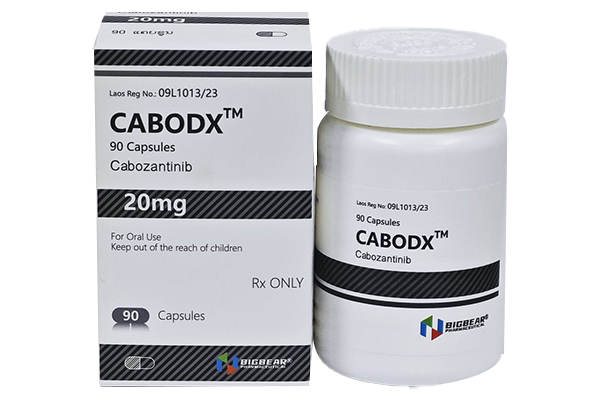
Cabozantinib (Cabometyx), first approved by the FDA in 2012, is a non-specific tyrosine kinase inhibitor. It exerts its anti-tumor effect by targeting and inhibiting the MET, VEGFR2, and RET signaling pathways, killing tumor cells, reducing metastasis, and inhibiting angiogenesis.
Indications for Cabozantinib (Cabometyx)
Cabometyx is a kinase inhibitor approved by the FDA for the treatment of the following patients:
(1) Patients with advanced renal cell carcinoma (RCC).
(2) Patients with advanced renal cell carcinoma, in combination with nivolumab as first-line treatment.
(3) Patients with hepatocellular carcinoma (HCC) who have previously received sorafenib treatment.
(4) Adults and children aged 12 years and older with locally advanced or metastatic differentiated thyroid cancer (DTC) whose disease has progressed after prior VEGFR-targeted therapy and who are unresponsive to or unsuitable for radioactive iodine therapy.
(5) Adult and pediatric patients aged 12 years and older with previously treated, unresectable, locally advanced or metastatic, well-differentiated pancreatic neuroendocrine tumors (pNETs).
(6) Adult and pediatric patients aged 12 years and older with previously treated, unresectable, locally advanced or metastatic, well-differentiated extrapancreatic neuroendocrine tumors (epNETs).
Cabozantinib (Cabometyx) Dosage and Administration
1. Cabozantinib (Cabometyx) Monotherapy
60 mg orally once daily (for patients ≥40 kg). Until disease progression or unacceptable toxicity.
2. Cabozantinib (Cabometyx) in combination with nivolumab
40 mg orally once daily. Until disease progression or unacceptable toxicity.
3. Children (12 years and older and weighing <40 kg)
40 mg orally once daily. Until disease progression or unacceptable toxicity.
Cabozantinib (Cabometyx) Side Effects
The FDA (instructions for use) emphasizes the following side effects:
1. Serious Side Effects
(1) Gastrointestinal Perforation or Fistula
Cabozantinib (Cabometyx) may cause gastrointestinal perforation or fistula formation. If severe abdominal pain or a feeling of choking when eating or drinking occurs, contact your doctor.
(2) Other Serious Side Effects
Severe headache, blurred vision, throbbing in the neck/ears, persistent severe vomiting, diarrhea or constipation, swelling of the hands and feet, abnormal bleeding (nosebleeds, gum bleeding, excessive menstrual bleeding or inability to stop bleeding), bloody/black stools, coughing up blood or coffee-ground-like vomit, jaundice (yellowing of the skin or eyes), pain, blisters, bleeding or severe rash in the palms/feet, confusion, thought disorder, seizures, dizziness or fainting, jaw pain/numbness, swollen and red gums, loose teeth or delayed healing after dental surgery.
2. Laboratory Abnormalities:
Hypocalcemia (muscle cramps, perioral/finger numbness), leukopenia (fever, oral ulcers, dyspnea), or adrenal insufficiency (nausea, extreme fatigue, syncope).
3. Common Side Effects:
Fatigue, depressed mood, dry skin, hair loss, chills, weight gain, abdominal pain, nausea, decreased appetite, diarrhea or constipation, oral pain/ulcers, altered taste, difficulty speaking, cold symptoms (nasal congestion, cough, sore throat), rash, joint and muscle pain, abnormal liver function, weight loss, hair discoloration.
Recommended Article: Side Effects of Cabozantinib (Cabometyx)
Missed Cabozantinib (Cabometyx) Dosage: Take the missed dose as soon as possible, but skip the missed dose if less than 12 hours have passed since the next dose. Do not take two doses of cabozantinib (Cabometyx) at once.