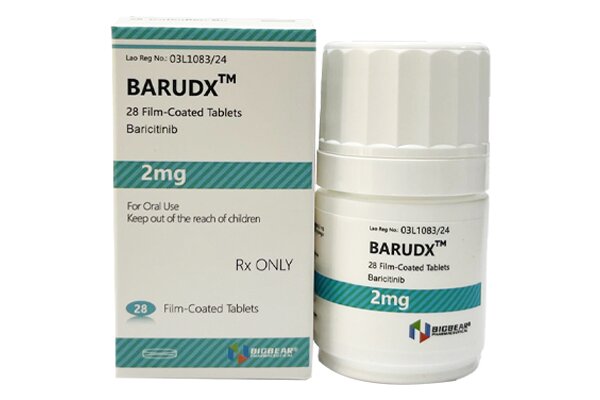
Study Overview
TUESDAY, March 18, 2025 -- A study presented at the annual meeting of the American Academy of Dermatology (AAD, held March 7–11 in Orlando, Florida) confirms that baricitinib is effective for hair regrowth in adolescents with severe alopecia areata (AA).
Study Rationale
Baricitinib is already established as an effective treatment for severe AA in adults and is approved in many countries for patients aged 2 years and older with moderate-to-severe atopic dermatitis. Given this background, researchers evaluated its efficacy and safety in adolescents with severe AA.
Study Design
Study Type: Randomized, placebo-controlled trial
Participants: 257 adolescent patients with severe AA, defined as a Severity of Alopecia Tool (SALT) score of 50 or higher
Randomization: Patients were assigned in a 1:1:1 ratio to receive daily placebo, baricitinib 4 mg, or baricitinib 2 mg
Funding: The study was funded by Eli Lilly, the manufacturer of baricitinib
Key Efficacy Outcomes
At week 36, significant hair regrowth was observed in the baricitinib groups compared with the placebo group:
42.4% of patients receiving baricitinib 4 mg achieved a SALT score of 20 or lower, versus 27.4% in the baricitinib 2 mg group and 4.5% in the placebo group
36.5% of patients in the baricitinib 4 mg group achieved a SALT score of 10 or lower, compared with 21.4% in the baricitinib 2 mg group and 2.3% in the placebo group
Baricitinib 4 mg also resulted in significant regrowth of eyebrows and eyelashes relative to placebo
Safety Profile
No deaths, serious infections, or malignancies were reported in the baricitinib-treated groups
The most common adverse events in baricitinib recipients were acne, influenza, and upper respiratory tract infection
The placebo group had a higher frequency of serious adverse events compared with the baricitinib groups
Conclusion
"Significant hair regrowth was achieved with baricitinib compared to placebo, demonstrating the efficacy of baricitinib in treating adolescents with severe AA," the authors write.