Study Overview
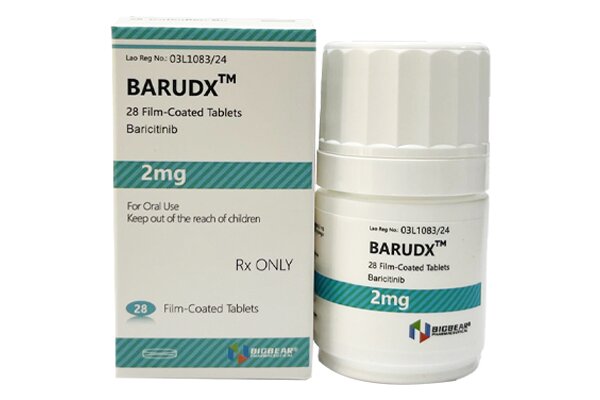
MONDAY, Sept. 29, 2025 -- Two-year follow-up data from a study presented at the annual meeting of the European Association for the Study of Diabetes (EASD, held Sept. 15–19 in Vienna) shows that therapeutic benefits are lost after discontinuing baricitinib treatment in patients with type 1 diabetes (T1D).
Study Design
The analysis was based on secondary and tertiary endpoints from the BANDIT trial, which previously demonstrated that 48 weeks of baricitinib treatment preserved residual beta-cell function in T1D.
Participants: 91 individuals aged 10–30 years, within 100 days of T1D diagnosis
Intervention: Randomized to receive either baricitinib 4 mg/day or matching placebo orally for 48 weeks
Follow-up: Additional visits at weeks 72 and 96 (post-treatment period)
Key Findings
C-Peptide Levels
At week 48 (end of treatment):
Baricitinib group: 0.65
Placebo group: 0.43
After treatment cessation:
Week 72: 0.49 (baricitinib) vs. 0.36 (placebo)
Week 96: 0.37 (baricitinib) vs. 0.26 (placebo)
Clinical Implications
The decline in C-peptide in the baricitinib group during off-drug follow-up was associated with increased insulin requirements to maintain hemoglobin A1c (HbA1c) levels.
Loss of treatment effect was also reflected in deterioration of continuous glucose monitoring (CGM) metrics:
Differences in time in range (TIR), time above range (TAR), and glucose variability observed during the first 48 weeks were no longer statistically significant at weeks 72 and 96.
Expert Commentary
"Among the promising agents shown to preserve beta-cell function in T1D, baricitinib stands out because it can be taken orally, is well tolerated, including by young children, and is clearly efficacious," said Michaela Waibel, Ph.D., from St. Vincent's Institute of Medical Research in Fitzroy, Australia.
"These latest data support our previous clinical trial data by showing that the therapeutic effect is lost when baricitinib is stopped and justify further trials to determine if treatment benefit can be sustained over many years on treatment."