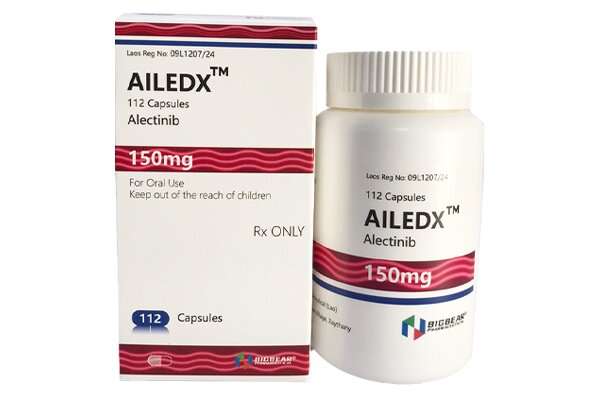
For many ALK-positive non-small cell lung cancer patients, the alectinib generic produced by BigbearPharma in Laos offers a more affordable path for long-term targeted therapy, making it an economically viable option.
Is there a Lao generic version of Alectinib?
Yes, there is a Lao generic version of alectinib. The Lao Bigbear version of alectinib is available in the specification of 150mg*112 capsules per box. For more questions, we recommend you contact our professional customer service for detailed consultation.
Identification and management of liver problems (hepatotoxicity) with Alectinib
During treatment with alectinib, liver toxicity is a common and serious adverse reaction that requires high vigilance. You should closely monitor the following signs and symptoms, and contact your medical team immediately if any signs appear:
Generalized fatigue and sudden loss of appetite
If you feel unusually tired, have difficulty recovering from daily activities, and experience a significant decrease in appetite or even unexplained weight loss, this may indicate impaired liver function.
Yellowing of skin and sclera, darkening of urine color
Pay attention to whether the whites of your eyes turn yellow, whether your skin shows a jaundiced hue, or whether your urine appears dark tea-colored or soy sauce-colored – these are typical signs of bilirubin metabolism disorder.
Persistent skin itching and nausea/vomiting
Generalized itching without an obvious rash, as well as recurrent nausea and vomiting (especially worsening after meals), should raise suspicion of hepatocellular injury.
Right upper abdominal pain and abnormal bleeding tendency
If you feel a dull or aching pain under the right rib margin (liver area), and simultaneously notice easy bruising from minor bumps, or bleeding from gums or nasal mucosa, this suggests reduced synthesis of clotting factors by the liver.
Monitoring and action
During treatment, your doctor will regularly check liver function tests (ALT, AST, bilirubin, etc.). If the above symptoms occur, do not stop the medication on your own; instead, follow your doctor's instructions to adjust the dose or temporarily discontinue the drug, and avoid using other hepatotoxic drugs concomitantly (such as excessive acetaminophen).
Warning signs of lung and kidney problems with Alectinib
In addition to the liver, alectinib may affect the lungs and kidneys, causing complications that require urgent intervention. Please review the following manifestations one by one and seek medical evaluation promptly:
Lung-related issues (may indicate interstitial lung disease or pneumonitis):
1. Changes in breathing pattern: Shortness of breath or chest tightness even at rest, or worsening dyspnea when lying flat (orthopnea).
2. New or worsening cough: Dry cough without sputum, or a marked increase in coughing frequency compared to before treatment, with no response to antitussives.
3. Fever with respiratory symptoms: If unexplained low-grade or high-grade fever occurs together with the above respiratory abnormalities, be alert to pulmonary inflammation.
Kidney-related issues (suggesting glomerular or tubular damage):
1. Foamy urine and abnormal urine color: Fine, dense foam on the urine surface that does not dissipate for a long time (suggesting proteinuria); cloudy urine resembling rice-washing water, reddish (hematuria), dark tea-colored or soy sauce-colored (hemoglobinuria).
2. Significant fluctuation in urine output: Total daily urine volume less than 400 ml (oliguria) or more than 2500 ml (polyuria), with persistent abnormality after excluding fluid intake factors, may reflect renal decompensation.
3. Accompanying symptoms: If eyelid or lower limb edema and elevated blood pressure also appear, a routine urinalysis and serum creatinine test should be completed as soon as possible. The doctor will decide whether to suspend the medication or provide supportive treatments such as fluid replenishment or dialysis based on the results.